Any wheelchair you import into the EU must carry the CE mark before you sell it there, and that mark is only valid if the chair went through the right conformity route for its risk class, has a technical file, and comes with an EU Declaration of Conformity naming your company as the responsible economic operator. CE marking for wheelchairs isn’t a sticker you buy — it’s a legal claim you sign.
The steps below cover classification, the standards to test against, the documents you must hold, and the mistakes that get shipments stopped at customs.
What CE marking actually means for a wheelchair
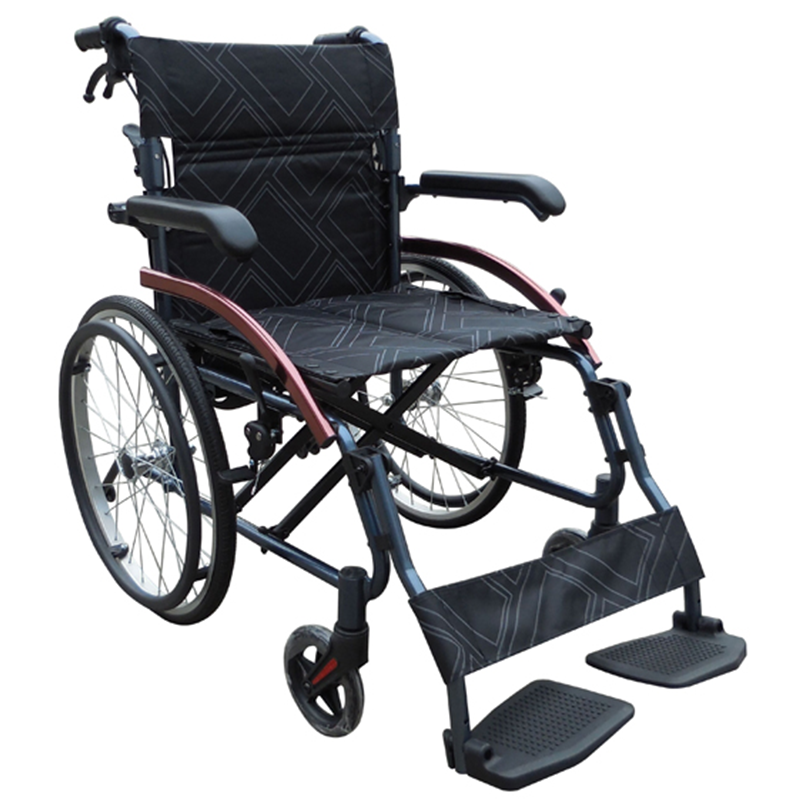
Photo: carraglobe.com on Google
CE marking is the manufacturer’s declaration that a product meets the EU health, safety and environmental rules that apply to it. For wheelchairs, the main rule is the Medical Devices Regulation (EU) 2017/745, known as the MDR — wheelchairs are treated as medical devices because they compensate for a disability or injury.
That means the chair isn’t just a “product.” It’s a regulated device, and the rules follow it from design to after-sale.
The person or company that puts the chair on the EU market carries the legal duty. If you import from outside the EU and sell inside it, you take on the importer’s legal duties — you must verify the CE marking and the Declaration of Conformity, ensure an EU Authorized Representative is named, and answer to the market surveillance authority.
The common misconception is that a factory test report is enough. It isn’t. A test report from a Chinese or US factory shows the chair was tested; it doesn’t make you compliant. The EU declaration, the technical documentation and, for higher-risk chairs, a notified body certificate are what count.
How to CE mark a wheelchair, step by step
- Classify the chair under the MDR. Most manual wheelchairs fall under Class I. Powered wheelchairs and mobility scooters usually fall under Class IIa or higher. The class decides everything that follows, so confirm it before you spend money on testing.
- Check the classification rules yourself. Read Annex VIII of the MDR, or get a regulatory consultant to confirm the class in writing. A wrong class voids the whole file.
- Apply the right standards. The key one is EN 12183 for manual wheelchairs and EN 12184 for powered wheelchairs and scooters. These are the harmonized standards that give presumption of conformity when you meet them.
- Run the tests at an accredited lab. Stability, braking, static and dynamic strength, and for powered chairs, battery and electrical safety. Budget several weeks for this, and longer if the chair fails and needs redesign.
- Build the technical file. Design drawings, risk analysis, test reports, labels, the user manual in the language of each market, and your Declaration of Conformity. Keep it for the period the MDR requires after the last unit is placed on the market.
- Appoint an EU Authorized Representative if you’re outside the EU. That representative’s name and address go on the label or in a document accompanying the device.
- Register in EUDAMED. Register yourself as the economic operator and list the device in the European database before you sell.
- Affix the CE mark correctly. Legible, indelible, and next to the notified body’s four-digit number if one was involved.
The judgement call that separates a clean file from a rejected one is timing: classify and test before you order a container, not after. Fixing a design fault once 500 chairs are on a ship costs far more than fixing it at the sample stage.
Manual models such as our steel and aluminum medical wheelchairs are tested to EN 12183. Power wheelchairs follow EN 12184 and usually sit in a higher risk class.
Key numbers and settings at a glance
The figures below assume you’re importing a standard adult wheelchair into the EU and selling it as a finished device. If your chair is custom-made or a Class III device, the timelines and the notified body involvement change.
| Situation | What to use | How long | What to watch for |
|---|---|---|---|
| Manual wheelchair, Class I | Self-declaration, EN 12183 | 4–8 weeks to build the file | You still need a full technical file — no notified body, but no shortcuts either |
| Powered wheelchair, Class IIa | Notified body assessment, EN 12184 | 3–6 months | Notified body queues are long; book early |
| Mobility scooter, Class IIa | Notified body, EN 12184 | 3–6 months | Battery and charger safety get extra scrutiny |
| Custom-made chair | MDR custom-made route | 2–4 weeks | Only for named patients; not for stock |
| Spare parts you import | Assess separately | Days to weeks | A part that changes safety may need its own conformity route |
| Re-labelling a US chair | Full MDR route | 4–12 weeks | FDA clearance doesn’t transfer to the EU |
What separates a clean file from a rejected one
Experienced importers prepare the label and the manual at the same time as the tests, not after. The manual has to be in the official language of every country you sell in, and it has to carry the warnings, the intended use and the contraindications the MDR requires. A beautiful test report with an English-only manual still fails.
They also work in the right order. Classification first, then standards, then testing, then the file, then the declaration, then registration. Skipping ahead — ordering stock before the notified body has signed off — is where the money gets stuck.
What they check partway through
Halfway through the process, a good importer re-reads the risk analysis against the actual production sample. If the factory changed a brake supplier or a wheel size after testing, the test report no longer covers what you’re importing. That’s a real problem, and it’s cheap to catch at sample stage.
What they leave alone
They don’t re-test parts already covered by a valid component certificate, and they don’t over-document. The file needs what the MDR asks for, not a 400-page pile. Extra paper slows the notified body down.
Common problems and quick fixes
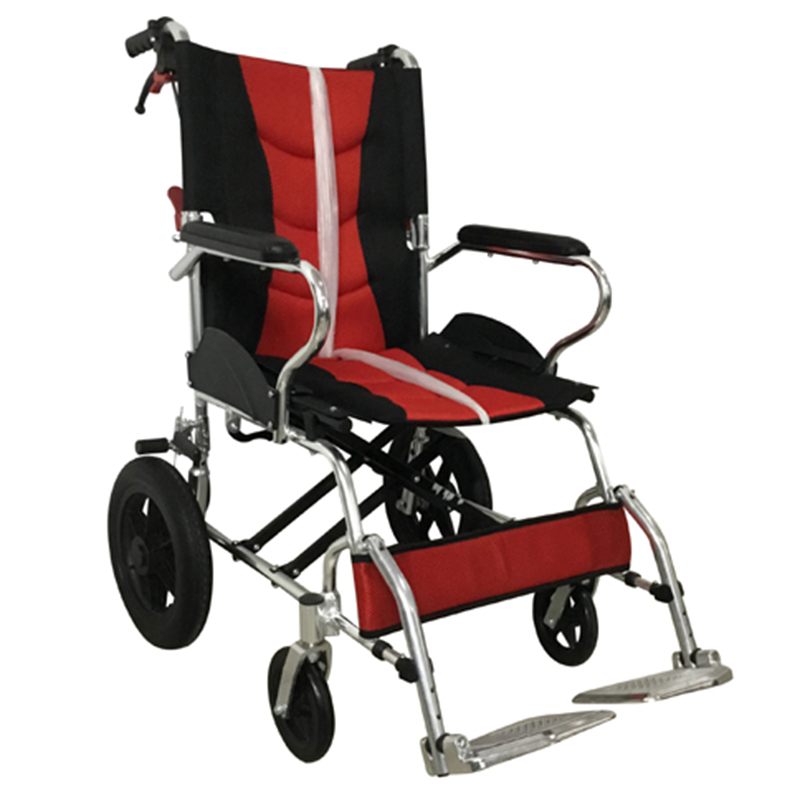
Photo: sialkotjacketsstar.com on Google
Most problems show up as a customs hold, a customer complaint, or a market surveillance letter. The table below matches what you notice to what it usually means.
| What you notice | What it usually means | What to do first |
|---|---|---|
| Customs stops the shipment | No EU Authorized Representative named | Appoint one and update the label and declaration |
| Buyer asks for the Declaration of Conformity | You never issued one, or it names the factory | Issue a new one naming your company as manufacturer |
| Chair fails a stability test | Wheelbase or seat height changed after testing | Re-test the production version, not the prototype |
| Market authority requests the technical file | File is incomplete or missing the risk analysis | Assemble it within the deadline they set |
| CE mark is illegible or peels off | Mark isn’t legible or not indelible | Re-label before the next shipment |
The rules that apply
The MDR (EU) 2017/745 is the binding law, and it’s published in full on the EUR-Lex database. It sets the classification rules, the conformity routes, the technical documentation requirements and the registration duties for every medical device sold in the EU.
For the technical standards, the European Committee for Standardization (CEN) publishes EN 12183 and EN 12184. Meeting them gives you presumption of conformity, though you must still document everything.
If your chair is Class IIa or above, a notified body must assess it. You can’t self-certify those. Notified body capacity is limited, so check availability before you commit to a launch date.
Where the next step needs a regulatory consultant, a notified body or a legal review of your declaration, that’s the point to bring in a specialist. Getting the class wrong or the declaration wrong is a legal risk, not a paperwork inconvenience.
If you plan to sell under your own brand, the design route changes who owns the technical file. See OEM vs ODM medical equipment for how that works.
Keeping the mark valid after launch
Once the chair is on the market, the file isn’t finished — it’s live. You must keep the technical documentation available for the period the MDR sets after the last device is placed on the market, and update it whenever the design, the supplier or the intended use changes.
Post-market surveillance is a duty, not a nicety. You collect complaints, track adverse events, and report serious incidents to the competent authority in the country where they happened.
If you change the factory, the brake supplier or the software, re-check whether the change affects conformity. A material change means re-assessment. The sign that your file is due for a review is any change to the device itself, not a calendar date.
When CE marking this way is the wrong fit
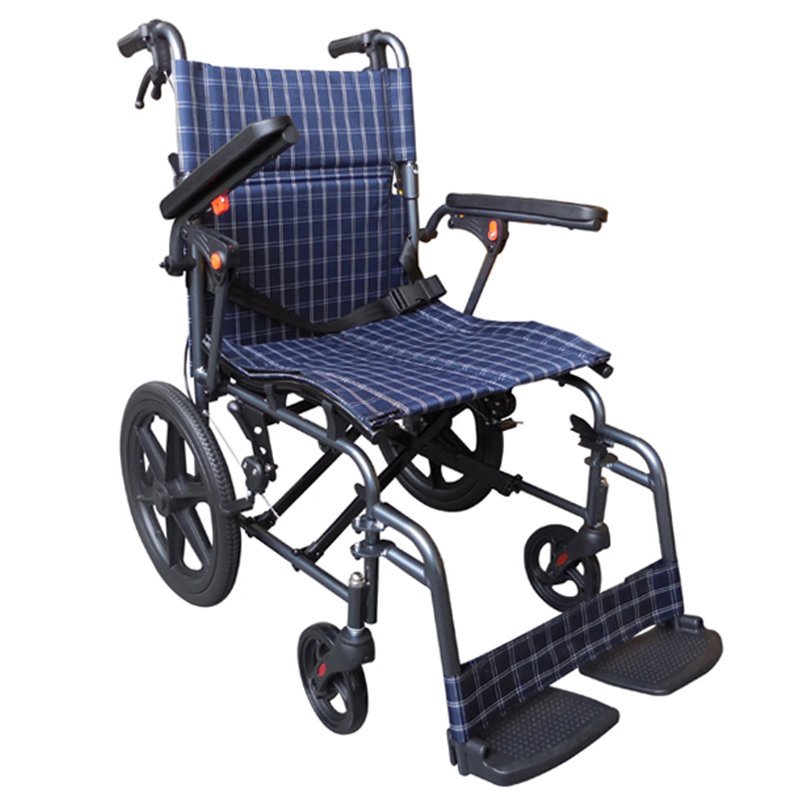
Photo: jerrygoggles.com on Google
If you’re importing one or two chairs for personal use, you’re not placing them on the market as a device, and the full MDR route doesn’t apply to you. Buy from an EU seller instead.
If your chair is a Class III device, self-declaration isn’t allowed and you need a notified body from day one. Don’t try to shortcut it.
If you’re only selling replacement cushions, armrests or footrests that don’t change the chair’s safety, the component rules may be lighter. Check with a consultant before assuming.
And if you’re selling into the UK, check the current rules: Great Britain accepts CE marking for most medical devices under the extended recognition, while UKCA is the domestic mark. Northern Ireland accepts CE.
Frequently asked questions
Can I sell a wheelchair in the EU without CE marking?
No. A wheelchair is a medical device under the MDR, and selling one without a valid CE mark is illegal. Customs can seize the shipment, and the market surveillance authority can order a recall and fine you. The mark must be on the device, the packaging and the instructions.
How long does it take to get CE marking for a wheelchair?
For a Class I manual wheelchair with a self-declaration, expect 4 to 8 weeks to build the file, assuming tests pass first time. For Class IIa powered chairs, plan on 3 to 6 months, mostly waiting for a notified body. Notified body queues are the biggest variable.
Is a factory CE certificate enough for my import?
No. A factory certificate shows the product was tested, but it doesn’t make you compliant. You still need an EU Declaration of Conformity naming your company, a technical file, and registration in EUDAMED. If the chair is Class IIa or above, you also need a notified body certificate in your own name.
What happens if my wheelchair fails a conformity check?
The authority can order you to withdraw the chair from the market, recall it from customers, and pay for the process. You may also face fines under national law. The fix is to correct the file and re-test, but the chair stays off the market until it passes.
Do I need an EU Authorized Representative?
Yes, if your company is based outside the EU. The representative must be established in an EU member state, and their name and address go on the label and the Declaration of Conformity. Without one, customs will stop your shipment.
How often do I need to update the technical file?
Whenever the device, its suppliers or its intended use change — not on a fixed schedule. A new brake, a new battery or a new factory means a review. The MDR also requires you to keep the file available for the retention period after the last unit is sold.
Is CE marking the same as FDA clearance?
No. They’re separate systems. FDA clearance lets you sell in the US; CE marking lets you sell in the EU. A chair cleared by the FDA still needs the full MDR route before it can carry the CE mark.
Conclusion
Before your next shipment leaves the factory, ask your manufacturer for the technical file and the signed declaration, then check that your own name and address appear on it. If anything’s missing, fix it now — it’s a lot cheaper than recalling chairs later.
MOSTA MEDICAL supplies CE certified wheelchairs and can share test reports and the Declaration of Conformity with importers. Learn about our factory or contact us for the documents for a specific model.
Sourcing CE certified wheelchairs for your market?
MOSTA MEDICAL is a CE and ISO certified factory in Guangdong, China, supplying distributors, hospitals and brand owners in 15+ countries. We offer factory-direct pricing and OEM/ODM branding.
Browse our wheelchair range · Email info@mostamedical.com · WhatsApp us for a quote